


| Category | Ophthalmology and Eye Surgery |
Eye cancer is a serious medical condition that occurs when abnormal cells grow uncontrollably in or around the eye. It may affect the eyeball, eyelids, conjunctiva, orbit, or nearby tissues. Early evaluation and accurate diagnosis are important for determining the appropriate treatment and protecting vision whenever possible.
At SKINNEYE Plastic & Eye Surgery, patients can enquire about assessment and care for eye-related tumours, eyelid lesions, and reconstructive concerns associated with eye cancer. Treatment depends on the type, location, size, and extent of the tumour. Patients may require coordination between ophthalmologists, ocular oncology specialists, oncologists, radiologists, and reconstructive surgeons.
If you are seeking eye cancer care in Noida, timely consultation with an appropriately qualified specialist can help you understand the diagnosis, available treatment options, and next steps.
Eye cancer refers to malignant growths that develop in the structures of the eye or surrounding tissues. Some tumours originate inside the eyeball, while others affect the eyelids, conjunctiva, or tissues within the eye socket.
Not every growth around the eye is cancerous. Many eyelid lumps and eye lesions are benign, but a changing, persistent, or unusual lesion should be examined by a qualified medical professional.
Eye cancer may develop in different forms, including:
Intraocular melanoma: A cancer that develops in pigment-producing cells within the eye, commonly in the uvea.
Retinoblastoma: A rare cancer of the retina that primarily affects young children.
Conjunctival cancer: Malignant growth involving the thin membrane covering the white part of the eye and the inner eyelids.
Eyelid skin cancer: Certain skin cancers can develop on the eyelids and may affect nearby structures.
Orbital tumours: Growths in the tissues surrounding the eyeball; some are malignant, while others are benign.
Lymphoma involving the eye: Certain lymphomas can affect structures within or around the eye.
Each condition requires a different diagnostic and treatment approach.
Symptoms vary according to the type and location of the tumour. Some eye cancers may cause noticeable changes, while others are detected during an eye examination.
Possible warning signs include:
A new lump or growth on the eyelid or around the eye.
A sore or lesion that does not heal.
A changing spot or pigmented area on the eye.
Persistent redness or swelling without a clear explanation.
Changes in the position or appearance of the eye.
Blurred vision or other unexplained visual changes.
Reduced vision or loss of part of the visual field.
Persistent discomfort or pain around the eye.
Unexplained bulging or displacement of the eyeball.
Changes visible in the pupil or the appearance of the eye.
These symptoms do not necessarily indicate cancer, but they should not be ignored. Sudden vision loss, severe eye pain, or rapidly developing eye symptoms require urgent medical assessment.
You should arrange a medical assessment if you notice a growing eyelid lump, a persistent lesion, a changing pigmented spot, unexplained eye displacement, or an unusual change in vision.
Children with a white reflection in the pupil, a new squint, or unexplained visual difficulties should receive prompt eye evaluation. A white pupil can have several causes, but retinoblastoma must be ruled out urgently.
People with a previous history of cancer or a diagnosed eye tumour may also need specialist follow-up according to their treatment plan.
Early assessment does not guarantee a particular outcome, but it can help establish the diagnosis and reduce unnecessary delays in care.
An accurate diagnosis is essential because benign growths, inflammatory conditions, and malignant tumours may sometimes have similar appearances.
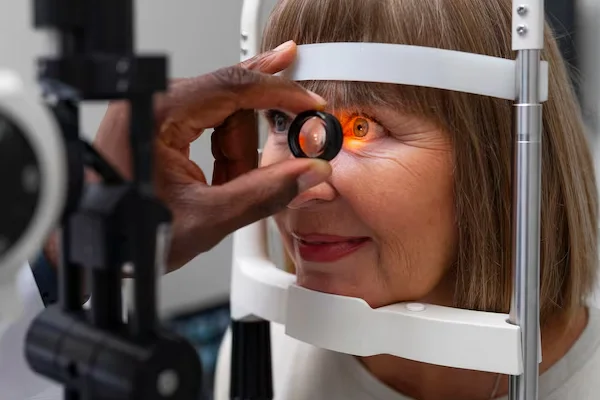
An ophthalmologist evaluates the eye, eyelids, surrounding tissues, vision, and other relevant structures. The examination is tailored to the suspected tumour.
If an intraocular tumour is suspected, specialist examination of the inside of the eye may be required. Retinal imaging and other eye-specific investigations can help assess the lesion.
Depending on the suspected diagnosis, tests may include ocular ultrasound, optical coherence tomography, fundus photography, CT, or MRI. Imaging helps determine the tumour's location, size, and possible involvement of surrounding tissues.
A biopsy may be recommended for selected lesions, particularly those involving the eyelid, conjunctiva, or orbit. However, biopsy is not necessary or appropriate for every suspected intraocular tumour. The specialist decides based on the suspected cancer and the safest diagnostic approach.
When cancer is confirmed or strongly suspected, referral to an ocular oncologist or an appropriate cancer-care team may be necessary. Additional tests may be used to determine the extent of the disease and guide treatment planning.
Treatment depends on the cancer type, its location, stage, growth pattern, and whether vision can be preserved safely. Not every treatment is suitable for every patient.
Some eyelid and conjunctival cancers may be treated with surgical removal. The procedure depends on the tumour's size, location, and margins required for appropriate cancer management.
Radiation may be recommended for certain eye cancers, including selected intraocular tumours and orbital malignancies. The treatment plan is determined by the oncology team based on the diagnosis and expected benefits and risks.
Selected intraocular tumours may be managed with laser-based or other local therapies. Suitability depends on the tumour's characteristics and the expertise and facilities available.
Certain cancers, including some cases of retinoblastoma and lymphoma, may require chemotherapy or other systemic treatments. The type and schedule depend on the specific diagnosis and the patient's overall health.
For some advanced or otherwise untreatable eye cancers, removal of the affected eye may be necessary to control the disease and protect the patient's health. This decision requires specialist assessment and a detailed discussion of alternatives, risks, and expected outcomes.
After tumour removal, some patients may need reconstructive surgery to repair tissue loss, restore eyelid closure, or improve the structure of the surrounding area. Reconstruction is planned according to the cancer treatment, tissue condition, and eye-protection requirements.
Eye cancer surgery may sometimes leave a defect involving the eyelid, skin, or tissues around the eye. Reconstruction may be considered once the cancer treatment plan and tissue requirements have been assessed.
Depending on the defect, options may include direct repair, skin grafting, local tissue flaps, or more complex reconstructive procedures.
The goals of reconstruction may include:
Restoring eyelid closure and eye protection.
Repairing tissue loss after tumour removal.
Improving the position and contour of the eyelid.
Supporting comfort and daily functioning.
Addressing selected appearance-related concerns after treatment.
Reconstructive surgery does not replace cancer treatment or surveillance. The priority is appropriate tumour management, followed by reconstruction when clinically suitable.
Eye cancer can involve delicate structures responsible for sight and eye movement. Some tumours may also extend into nearby tissues or require treatment beyond surgery.
Depending on the diagnosis, care may involve an ophthalmologist, ocular oncologist, medical oncologist, radiation oncologist, radiologist, pathologist, and reconstructive surgeon.
A coordinated approach helps ensure that treatment decisions account for tumour control, preservation of vision where possible, overall health, and reconstructive needs. Patients should confirm that the required specialist team and treatment facilities are available before proceeding.
SKINNEYE Plastic & Eye Surgery focuses on personalized, evidence-based care for plastic, reconstructive, and eye-related concerns.
Personalized Medical Guidance: Receive guidance based on your symptoms, examination findings, medical history, and individual care requirements.
Detailed Clinical Assessment: Appropriate evaluation helps identify concerns that may require further investigation or specialist referral.
Reconstructive Care Planning: Suitable patients can discuss options for addressing eyelid or surrounding tissue defects after cancer treatment.
Function-Focused Approach: Treatment planning considers eye protection, eyelid closure, comfort, and functional needs.
Ethical Patient Communication: Understand the purpose, limitations, potential risks, and expected outcomes of proposed procedures.
Coordinated Specialist Referral: Where required, patients should be directed to appropriately qualified ocular oncology and cancer-care specialists.
Important: Eye cancer treatment requires specialist expertise and may involve services beyond routine eye or plastic surgery. Confirm whether the clinic can provide the specific oncology assessment or procedure required for your diagnosis.
If you have noticed a suspicious growth, persistent eyelid lesion, unexplained eye changes, or have already received an eye cancer diagnosis, seek timely medical evaluation.
At SKINNEYE Plastic & Eye Surgery, you can enquire about assessment for eye-related lesions and reconstructive concerns. If your condition requires ocular oncology, radiation therapy, chemotherapy, or other specialized cancer treatment, consultation with the appropriate cancer-care team is essential.
Contact the clinic to enquire about appointment availability, specialist qualifications, and the facilities relevant to your condition.
Eye cancer occurs when malignant cells grow in the eyeball or surrounding structures, such as the eyelids, conjunctiva, or orbit. The type of cancer depends on the tissue where it develops.
Possible warning signs include a growing lump, a persistent eyelid lesion, a changing pigmented spot, unexplained eye displacement, or visual changes. Some tumours have few early symptoms, so suspicious changes should be assessed promptly.
No. Many eye and eyelid tumours are benign. However, their appearance alone may not reliably distinguish them from malignant growths, so professional evaluation is important.
Diagnosis may involve a comprehensive eye examination, retinal assessment, imaging, and, in selected cases, biopsy or other laboratory testing. The tests depend on the suspected tumour and its location.
In some cases, yes. Depending on the tumour type and stage, options may include local therapies, radiation, laser treatment, or surgery that preserves the eye. Eye removal may be necessary in selected advanced cases.
No. Some eye cancers may not cause pain in their early stages. A painless lump, changing lesion, or unexplained visual change should still be evaluated.
Yes. Eyelid cancer affects the skin or tissues of the eyelid, while intraocular cancer develops within the eyeball. Their diagnosis, treatment, and specialist requirements can differ.
Yes, selected patients may undergo eyelid or orbital reconstruction after tumour removal. The procedure depends on the tissue defect, cancer status, healing, and the overall treatment plan.
The cost varies considerably depending on the type and stage of cancer, diagnostic tests, specialist consultations, surgery, radiation or medication, and follow-up needs. An individualized estimate should be obtained from the relevant treatment providers.
Seek assessment from an ophthalmologist experienced in evaluating suspicious eye lesions. Confirm whether ocular oncology services are available and whether referral to a specialist cancer-care centre is needed. SKINNEYE Plastic & Eye Surgery can be contacted to enquire about relevant consultations and reconstructive care availability.


