


| Category | Aesthetic Procedures |
Otoplasty is a surgical procedure that reshapes, repositions, or reduces the size of the ears to improve their appearance and proportion with the face. Also known as ear correction surgery, it is commonly considered for prominent ears, asymmetrical ears, or certain structural differences in ear shape.
At SKINNEYE Plastic & Eye Surgery in Noida, treatment planning focuses on individual anatomy, aesthetic concerns, and realistic expectations. Dr. Saurabh Sagar, Plastic, Aesthetic & Reconstructive Surgeon, can assess suitable ear-related concerns and discuss appropriate surgical options based on the patient's needs.
Otoplasty is a plastic surgery procedure that changes the shape, position, or proportions of the external ear. It may involve reshaping ear cartilage, adjusting the angle of the ears, or reducing selected areas when clinically appropriate.
The procedure may be performed for cosmetic reasons or to correct certain structural differences present from birth or resulting from injury. Otoplasty focuses on the external ear and does not generally improve hearing.
The surgical technique depends on the ear's existing shape, cartilage structure, degree of prominence, and desired correction.
Prominent ear correction reduces the outward projection of the ears by reshaping cartilage or adjusting the ear's position closer to the head. It is one of the most common reasons people consider otoplasty.
Ear reshaping may address selected differences in the folds, contours, or overall shape of the external ear. The approach is customized according to the patient's anatomy.
Ear reduction surgery may be considered when certain parts of the external ear are disproportionately large. The amount of correction depends on the ear's structure and the patient's goals.
Otoplasty may help improve differences in the position, projection, or shape of the ears. Complete symmetry cannot always be achieved because natural differences in anatomy may remain.
Selected ear deformities caused by congenital differences or injury may require reconstructive procedures. The technique depends on the extent of the structural concern and may require specialized assessment.
People may consider otoplasty for several ear-related concerns, including:
Ears that protrude noticeably from the head
Uneven ear position or shape
Underdeveloped or poorly defined ear folds
Selected differences in ear size or contour
Certain structural deformities present from birth
Ear shape changes following an injury, when suitable for correction
A consultation helps determine whether otoplasty is appropriate and whether another reconstructive procedure may be more suitable.
When carefully planned for an appropriate candidate, otoplasty may offer several potential benefits:
Improved Ear Position: Can reduce excessive ear projection and improve overall proportions.
Balanced Facial Appearance: May create better visual harmony between the ears and other facial features.
Customized Ear Shape: Surgical techniques can address selected cartilage and contour differences.
Correction of Asymmetry: May improve differences in ear position or shape.
Long-Lasting Changes: Surgical reshaping can provide durable results after healing.
Personalized Treatment: The procedure is planned around individual anatomy and realistic expectations.
Results vary according to cartilage structure, healing, and the extent of correction. Otoplasty does not guarantee perfect symmetry.
Otoplasty may be suitable for children with sufficiently developed ears, adolescents, and adults who have concerns about ear prominence or shape. For children, the timing of surgery is assessed according to ear development, health, and emotional readiness.
Potential candidates should be in suitable general health and understand the procedure's limitations and risks. A specialist will review medical history, ear structure, previous injuries or surgeries, and treatment expectations before recommending surgery.
The technique depends on the patient's ear structure and the correction required.
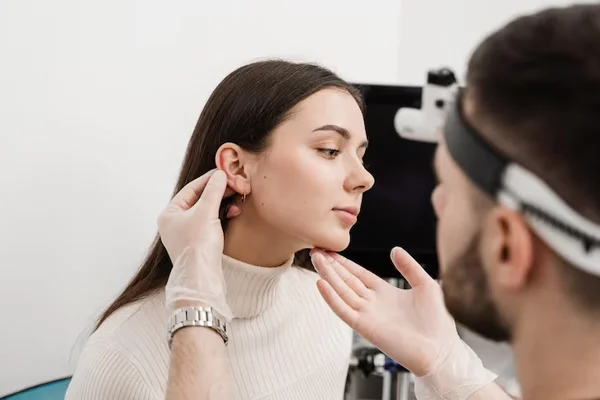
The surgeon examines the shape, projection, cartilage, and symmetry of the ears. Medical history and treatment goals are reviewed to determine suitability.
The surgeon explains the proposed technique, expected changes, possible limitations, recovery requirements, and risks. The treatment plan is tailored to the patient's anatomy.
Otoplasty may be performed under local or general anaesthesia, depending on the patient's age, procedure, and clinical circumstances. The surgeon may reshape cartilage, place sutures to adjust ear folds, or reposition the ear. Incisions are often placed behind the ear when appropriate.
After surgery, a dressing or headband may be recommended to protect the ears and support healing. Follow-up appointments allow the surgeon to monitor recovery and provide aftercare instructions.
Recovery varies between patients. Swelling, bruising, tenderness, and temporary discomfort around the ears are common during the initial healing period.
Patients may need to wear a protective dressing or headband for the period recommended by the surgeon. They should avoid pressure on the ears, contact sports, and activities that could disrupt healing until cleared by the treating team.
Most patients gradually return to routine activities as healing progresses, but the timing depends on the procedure and individual recovery. The final ear shape becomes clearer as swelling settles.
Like any surgery, otoplasty carries potential risks, including:
Bleeding or infection
Swelling, bruising, or pain
Scarring
Temporary changes in skin sensation
Differences between the two ears
Asymmetry or recurrence of ear prominence
Problems related to sutures or cartilage healing
Risks associated with anaesthesia
Your surgeon should explain the risks relevant to your procedure and medical history. Following postoperative instructions and attending follow-up appointments can help support appropriate recovery.
Otoplasty surgically changes the position or shape of the ear cartilage. Non-surgical options may be appropriate in certain limited circumstances, particularly for newborn ear moulding when started early and supervised by a qualified clinician.
For older children and adults with established cartilage structure, non-surgical methods generally cannot provide the same structural correction as surgery. A specialist assessment helps identify suitable options based on age and anatomy.
SKINNEYE Plastic & Eye Surgery focuses on personalized assessment, careful planning, and informed treatment decisions. Dr. Saurabh Sagar, Plastic, Aesthetic & Reconstructive Surgeon, can assess appropriate ear-shape concerns and discuss available surgical options.
Consultation includes reviewing ear structure, understanding individual expectations, and explaining the potential benefits, limitations, recovery process, and risks. The aim is to recommend an approach that is appropriate for the patient's anatomy and needs.
If you are considering ear correction surgery for prominent ears, asymmetry, or other ear-shape concerns, contact SKINNEYE Plastic & Eye Surgery in Noida for a consultation. A personalized assessment can help determine whether otoplasty is suitable and explain the expected results, recovery requirements, and possible risks.
Otoplasty is a surgical procedure that reshapes, repositions, or reduces selected parts of the external ear to improve its shape, projection, or proportions.
Yes. Otoplasty is commonly used to reduce the outward projection of prominent ears by reshaping cartilage or adjusting the position of the ear.
Otoplasty primarily changes the appearance or structure of the external ear. It is not generally performed to improve hearing.
Initial swelling and tenderness usually improve gradually over the first few weeks. The time needed to resume activities depends on healing and the surgeon's instructions, while the final appearance may take longer to settle.
Otoplasty can provide long-lasting changes to ear shape and position. However, healing differences, cartilage characteristics, and recurrence of prominence can affect the final result.
Potential risks include infection, bleeding, scarring, changes in sensation, asymmetry, and recurrence of ear prominence. A qualified surgeon should explain the risks specific to your case.
Yes. Adults may undergo otoplasty if they are suitable candidates and have realistic expectations about the procedure and its results.
You can contact SKINNEYE Plastic & Eye Surgery in Noida to arrange a consultation with Dr. Saurabh Sagar. The consultation can help determine whether otoplasty is appropriate and explain treatment options, recovery, and potential risks.


