


| Category | Aesthetic Procedures |
Genioplasty is a surgical procedure that reshapes or repositions the chin to improve facial proportions, address chin asymmetry, or correct selected structural concerns. It may involve moving the chin bone or using an implant, depending on the patient's anatomy, treatment goals, and clinical requirements.
At SKINNEYE Plastic & Eye Surgery in Noida, patients can receive an individualized assessment to understand suitable chin correction options. Dr. Saurabh Sagar, Plastic, Aesthetic & Reconstructive Surgeon, can evaluate relevant facial aesthetic concerns and discuss the potential benefits, limitations, and risks of treatment.
Genioplasty, also known as chin surgery, focuses on changing the position, projection, or shape of the chin. It may be performed to address a recessed chin, a prominent chin, chin asymmetry, or certain differences in lower facial proportions.
The procedure can be broadly classified into sliding genioplasty, which involves repositioning the chin bone, and implant-based chin augmentation, which adds projection using an implant. The appropriate approach depends on the patient's facial anatomy, bone structure, and desired correction.
Genioplasty is different from jaw surgery that repositions the upper or lower jaw to correct a bite problem. A specialist assessment helps determine whether the concern involves the chin alone or a broader jaw alignment issue.
Sliding genioplasty involves carefully cutting and repositioning a portion of the chin bone. The bone may be moved forward, backward, upward, downward, or adjusted to improve selected asymmetries. It is generally used when a change in the underlying chin bone position is needed.
Chin augmentation may involve placing an implant to increase chin projection. It can be considered for selected patients with a less prominent chin when an implant-based approach is appropriate.
Chin reduction surgery may be considered when the chin is excessively prominent or large in relation to the rest of the face. The technique depends on the bone structure and the degree of correction required.
Genioplasty may help improve certain chin asymmetries by adjusting the position or contour of the chin. The extent of improvement depends on the cause and severity of the asymmetry.
Genioplasty may be considered for several chin-related concerns, including:
A recessed or less prominent chin
A chin that appears overly prominent
Chin asymmetry or uneven projection
Differences in lower facial proportions
Selected structural concerns affecting chin shape
Facial balance concerns following an appropriate clinical assessment
Not every chin concern requires surgery. Fillers or other non-surgical options may be suitable in selected cases, while significant jaw misalignment may require assessment by an oral and maxillofacial surgeon and orthodontist.
When appropriately planned, genioplasty may offer several potential benefits:
Improved Chin Projection: Adjusts chin prominence to better suit individual facial proportions.
Better Facial Balance: May improve the relationship between the chin, lips, nose, and other facial features.
Chin Symmetry: Can address selected differences in chin position or contour.
Customized Correction: The surgical approach can be tailored to the patient's anatomy and treatment goals.
Structural Improvement: Bone repositioning can correct certain chin-related skeletal concerns.
Personalized Results: Treatment planning focuses on realistic improvements rather than a standard facial shape.
Results vary according to the technique, anatomy, healing, and extent of correction. Perfect symmetry or a specific appearance cannot be guaranteed.
Genioplasty may be suitable for adults with a stable chin and jaw structure who want to address a specific concern involving chin shape, projection, or symmetry.
A candidate assessment considers:
Overall health and medical history
Chin and jaw bone structure
Bite alignment and dental health
Skin and soft-tissue characteristics
Realistic expectations and treatment goals
Whether the concern involves the chin alone or the entire jaw
Patients with significant bite problems, jaw misalignment, or certain developmental conditions may need a coordinated assessment with an oral and maxillofacial surgeon and orthodontist.
The exact technique depends on whether the treatment involves bone repositioning, an implant, or chin reduction.
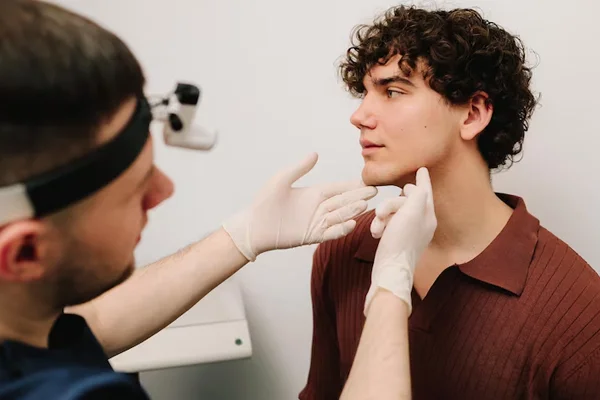
The surgeon reviews your concerns, medical history, facial proportions, and chin structure. Photographs and imaging may be recommended when clinically appropriate to support planning.
The treatment approach is selected according to the required correction. Your surgeon explains the expected changes, alternatives, recovery, and procedure-specific risks before obtaining informed consent.
Genioplasty is usually performed under anaesthesia. In sliding genioplasty, the chin bone is repositioned and stabilized. In implant-based augmentation, an implant is placed to improve projection. The incision location and technique depend on the procedure.
After surgery, patients receive instructions on wound care, oral hygiene where relevant, medication, activity restrictions, and follow-up appointments. Following these instructions supports appropriate healing.
Recovery varies depending on the technique used and the extent of correction. Swelling, bruising, temporary numbness, tightness, and discomfort around the chin may occur.
During recovery, patients may need to follow specific oral hygiene instructions, modify their diet temporarily, and avoid strenuous activity until cleared by the surgeon. Swelling generally improves gradually, but subtle changes may continue over several months.
Attend follow-up appointments so the surgeon can monitor healing and assess the result. Seek prompt medical advice if you develop fever, increasing redness, worsening pain, unusual discharge, or other concerning symptoms.
Like any surgical procedure, genioplasty carries potential risks. These may include:
Bleeding, infection, or swelling
Temporary or persistent changes in sensation
Asymmetry or an unsatisfactory contour
Delayed bone healing in bone-repositioning procedures
Implant displacement or implant-related complications
Scarring, depending on the incision
Risks associated with anaesthesia
The likelihood of complications depends on the procedure and individual health factors. Your surgeon should explain the risks, expected limitations, and available alternatives before treatment.
Genioplasty and chin fillers address some similar appearance concerns, but they differ significantly.
Genioplasty is a surgical procedure that can change the underlying chin bone or add an implant. Chin fillers are injectable treatments that temporarily add volume and may improve selected contour concerns without surgery.
Fillers may be suitable for minor adjustments in appropriately selected patients, while genioplasty may be considered when a more substantial or structural correction is required. A specialist can help you compare the options based on your anatomy and goals.
SKINNEYE Plastic & Eye Surgery emphasizes individualized assessment, ethical guidance, and treatment planning based on patient needs. Dr. Saurabh Sagar, Plastic, Aesthetic & Reconstructive Surgeon, can evaluate suitable facial aesthetic concerns and discuss appropriate treatment options.
Consultation includes reviewing facial proportions, understanding your expectations, and explaining potential outcomes, recovery requirements, limitations, and risks. When a concern involves significant jaw misalignment or bite function, assessment by the relevant dental and maxillofacial specialists may also be recommended.
If you are considering genioplasty to improve chin projection, shape, or symmetry, contact SKINNEYE Plastic & Eye Surgery in Noida for a consultation. A personalized assessment can help determine whether chin surgery, an alternative treatment, or a multidisciplinary approach is appropriate for your needs.
Genioplasty is a surgical procedure that changes the position, shape, or projection of the chin. It may involve repositioning the chin bone, placing an implant, or reducing selected areas of bone.
No. Genioplasty focuses on the chin, whereas corrective jaw surgery repositions the upper jaw, lower jaw, or both to address skeletal alignment and certain bite problems. Some patients may require evaluation for both concerns.
Initial swelling and bruising generally improve over the first few weeks, although recovery varies by technique. Subtle swelling and final contour changes may take several months to settle.
Bone repositioning generally provides a lasting structural change after healing. Implant-based results can also be long-lasting, but implants may require future assessment or revision. Ageing and other individual factors can affect appearance over time.
Genioplasty may improve a recessed chin through bone repositioning or implant-based augmentation. The suitable method depends on chin structure, bite alignment, and whether the concern is limited to the chin.
Potential risks include infection, bleeding, numbness, asymmetry, delayed bone healing, implant-related complications, and anaesthesia-related risks. Your surgeon will explain the risks relevant to your procedure and medical history.
Neither option is universally better. Fillers may suit temporary, subtle contour changes, while genioplasty may be appropriate for structural or more substantial correction. The right choice depends on your anatomy, goals, and medical assessment.
You can contact SKINNEYE Plastic & Eye Surgery in Noida to arrange a consultation with Dr. Saurabh Sagar. The assessment can help clarify your treatment options, expected outcomes, recovery, and potential risks.


